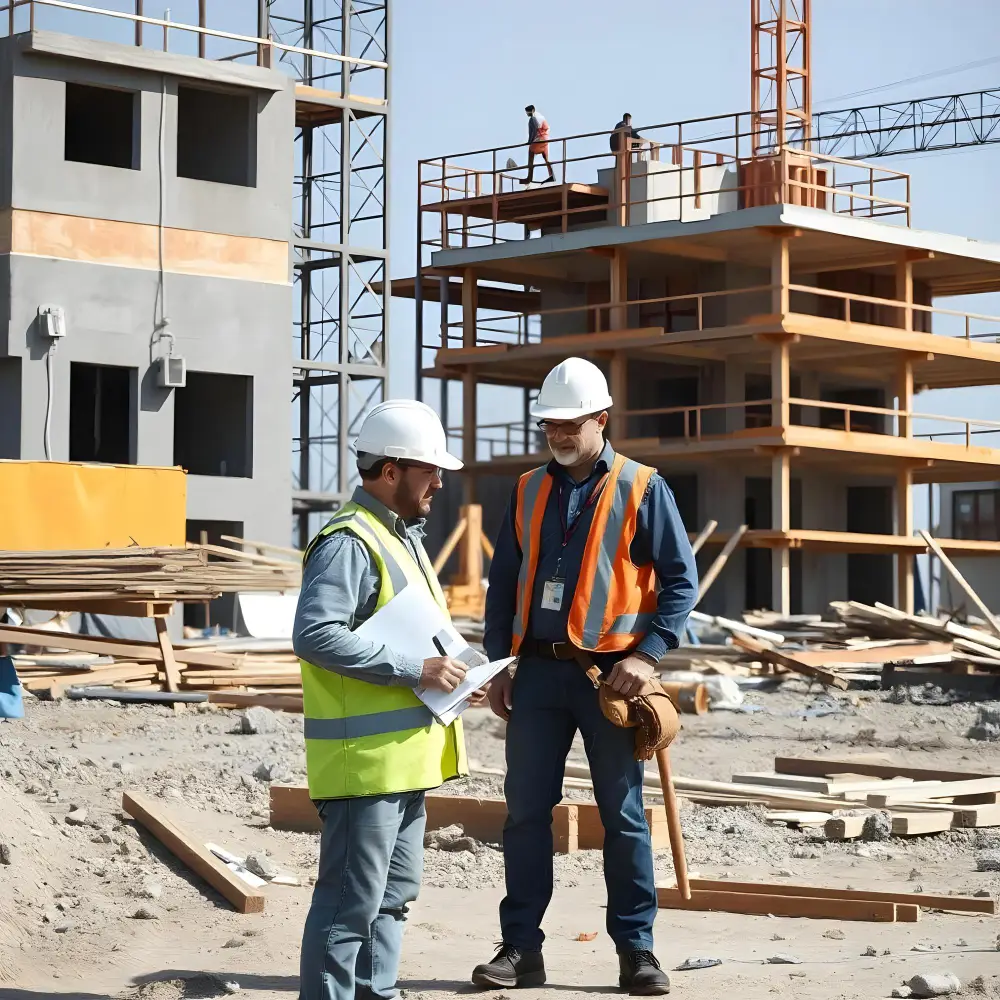
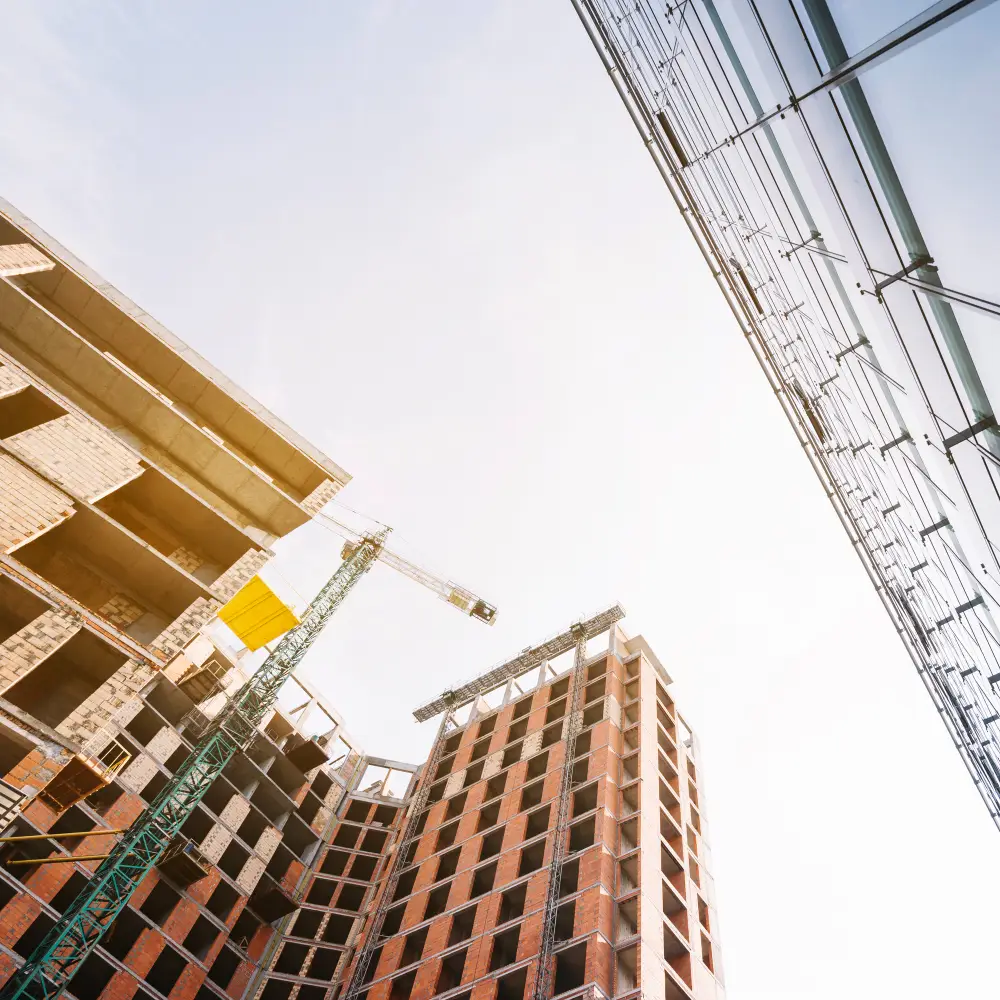
Building a home, commercial property, warehouse, office, or other structure in Davao City involves much more than choosing a design and hiring workers. Before construction can properly move forward, property owners need to understand the permits, plans, technical documents, inspections, and approvals required for the project.
Working with an experienced Contractor in Davao can make this process easier to manage. A knowledgeable contractor can help coordinate construction requirements, work with architects and engineers, prepare the project for inspections, and ensure that the actual construction follows the approved plans.
For property owners planning to build in Davao, understanding the permitting process early can help prevent unnecessary delays, additional expenses, and compliance problems later in the project.
This guide from DESCOR covers the major construction permits and requirements you should consider before breaking ground.
Why Building Permits Matter
Building permits are not simply paperwork that property owners need to complete before construction. They are an important part of ensuring that buildings are designed and constructed according to applicable safety and regulatory requirements.
Permitting and inspection processes can help verify important aspects of a project, including structural integrity, electrical systems, plumbing, sanitation, fire safety, accessibility, and compliance with approved plans.
For property owners, securing the necessary permits can also help avoid problems such as:
- Construction delays or stop-work issues
- Additional expenses caused by corrections
- Difficulties during inspections
- Problems obtaining occupancy approval
- Complications when selling, leasing, financing, or improving the property
- Safety risks resulting from non-compliant construction
A reliable Contractor in Davao should understand that regulatory compliance is part of responsible project management—not something that should be addressed only after construction has started.
Building Permit Basics in Contractor in Davao
A building permit generally authorizes construction based on plans and documents submitted to and approved by the appropriate government authorities.
Depending on the project, permit requirements may vary according to the property’s location, size, occupancy classification, proposed use, structural design, and scope of work.
Projects that may require permits or approvals can include:
- New residential construction
- Commercial buildings
- Warehouses and industrial facilities
- Building additions and extensions
- Major renovations
- Structural modifications
- Certain electrical and plumbing works
- Demolition and reconstruction projects
- Changes in building use or occupancy
Because requirements can differ from one project to another, property owners should verify the current requirements applicable to their specific development before beginning work.
An experienced Contractor in Davao can coordinate with the project’s architects, engineers, and other professionals so construction planning considers these requirements from the beginning.
Understanding Ancillary Permits With the Help of Contractor in Davao
A building permit may not be the only approval required.
Construction projects involve several technical disciplines, and separate or ancillary permits may apply depending on the nature of the project.
These can include requirements related to:
Electrical Works
Electrical plans typically cover the building’s wiring, circuits, panels, lighting, outlets, equipment, grounding, and electrical load requirements.
Proper electrical planning is essential for both safety and long-term building performance.
Mechanical Works
Projects involving mechanical equipment may require appropriate mechanical plans and documentation.
This can include systems such as ventilation, air-conditioning equipment, elevators, pumps, and other mechanical installations depending on the building.
Plumbing and Sanitary Works
Plumbing and sanitary plans address water distribution, drainage, wastewater, fixtures, piping, and other sanitation-related systems.
These systems should be coordinated early because plumbing installations can affect structural and architectural components.
Electronics and Communication Systems
Larger or more complex developments may also require plans covering communication, data, security, fire detection, or other electronic systems.
Other Project-Specific Requirements
Depending on the type and location of the project, additional clearances, certificates, or permits may be necessary.
This is one reason hiring a knowledgeable Contractor in Davao can be valuable. Construction involves multiple interconnected requirements, and overlooking one component can affect the entire project schedule.
Preparing Construction Plans and Documents
One of the most important stages of the permitting process is preparing complete and accurate plans.
The exact documents required will depend on the project, but a construction application may involve several types of technical plans and supporting documents.
These can include:
- Architectural plans
- Structural plans and calculations
- Electrical plans
- Mechanical plans
- Plumbing and sanitary plans
- Electronics plans, when applicable
- Site development plans
- Technical specifications
- Cost estimates or related project documentation
- Property ownership or authorization documents
- Professional signatures and seals where required
- Other clearances applicable to the project
Incomplete, inconsistent, or inaccurate documentation can create unnecessary delays.
For example, if an architectural layout conflicts with structural plans or utility designs, revisions may be necessary before the application can proceed.
Early coordination among the owner, designers, engineers, and contractor can reduce these problems.
How the Construction Approval Process Generally Works with a Trusted Contractor in Davao
The exact process depends on the project and current local requirements, but construction permitting generally follows several stages.
1. Project Planning
The owner determines the project’s purpose, budget, approximate size, design requirements, and construction goals.
Bringing your contractor into the planning stage can help determine whether the proposed design is realistic from a construction and budget perspective.
2. Design and Engineering
Architects and engineers prepare the necessary drawings, specifications, computations, and technical documentation.
3. Document Preparation
Required forms, property documents, plans, professional documentation, and applicable clearances are compiled.
4. Submission and Evaluation
The application is submitted to the appropriate authorities for review.
Reviewers may evaluate different aspects of the proposed development and request revisions or additional information when necessary.
5. Corrections or Revisions
If issues are identified, the plans or supporting documents may need to be corrected and resubmitted.
6. Permit Issuance
Once the applicable requirements have been satisfied and the necessary fees and procedures have been completed, permits may be issued.
Construction should then follow the approved scope and plans.
Common Causes of Construction Permit Delays
Permit delays can affect the entire construction timeline, especially when mobilization, material deliveries, subcontractors, and financing have already been scheduled.
Some common causes include:
Incomplete Documentation
Missing forms, signatures, plans, certifications, or supporting documents can prevent an application from progressing efficiently.
Conflicting Plans
Architectural, structural, electrical, plumbing, and mechanical drawings need to work together. Conflicts between disciplines may require redesign.
Design Changes During Processing
Changing layouts, structural systems, floor areas, or major building components while approvals are underway can lead to additional revisions.
Property or Site Issues
Questions involving boundaries, property documents, access, zoning, setbacks, or other site conditions can affect processing.
Failure to Consider Requirements Early
Waiting until the project is ready for construction before reviewing permit requirements can create avoidable delays.
Working with an experienced Contractor in Davao during the planning phase allows many construction-related concerns to be identified before they become expensive problems.
The Contractor in Davao Role in Permit Coordination
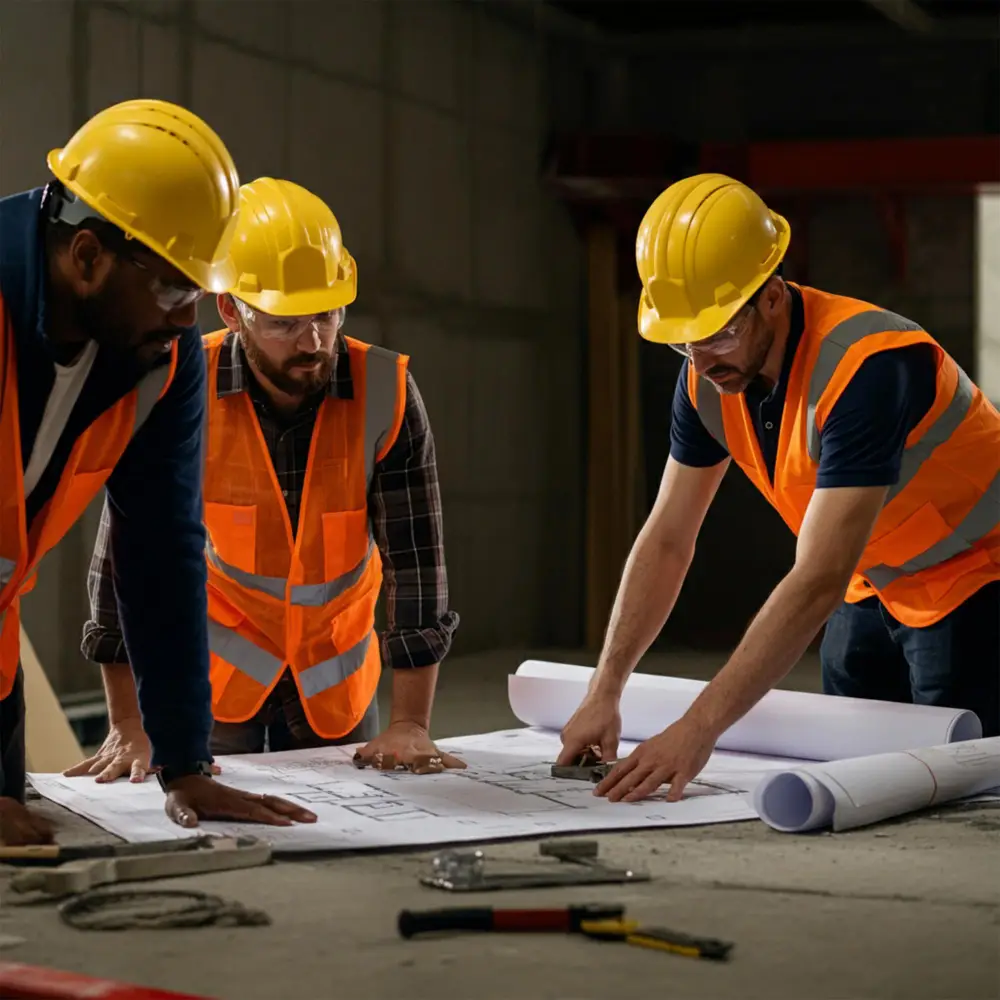
Although architects, engineers, property owners, and government authorities have their respective responsibilities, the contractor plays an important role in keeping the construction side aligned with approved requirements.
A qualified contractor can assist with:
- Coordinating with architects and engineers
- Reviewing plans from a construction perspective
- Planning construction based on approved drawings
- Identifying potential conflicts before site execution
- Coordinating subcontractors and specialized trades
- Preparing the site for required inspections
- Monitoring construction quality
- Maintaining appropriate project documentation
- Managing approved changes during construction
- Helping keep the project aligned with applicable requirements
Choosing a Contractor in Davao should therefore involve more than comparing quotations.
Owners should consider the contractor’s ability to manage the complete construction process.
Construction Compliance Does Not End After Permit Approval
Receiving the necessary permit does not mean compliance is finished.
The actual building must still be constructed according to the approved plans and applicable standards.
During construction, attention should be given to areas such as:
- Structural components
- Concrete and reinforcement
- Electrical installations
- Plumbing and drainage
- Fire safety provisions
- Mechanical systems
- Waterproofing
- Roofing
- Site drainage
- Accessibility requirements where applicable
- Approved building dimensions and layouts
Significant deviations from approved plans can potentially create issues during inspections and project completion.
Good construction management therefore involves regular coordination among the contractor, project professionals, subcontractors, and property owner.
Construction Requires a Contractor in Davao Good Site Planning
Local conditions should also be considered when planning construction.
Davao’s periods of heavy rainfall, drainage conditions, varying soil characteristics, humidity, and exposure to seismic activity can influence how projects should be designed, scheduled, and executed.
For example, contractors may need to carefully consider:
Site Drainage
Heavy rainfall can quickly affect excavation, foundations, access roads, material storage, and unfinished structures.
Temporary and permanent drainage should be considered early.
Soil and Foundation Conditions
Foundation design should be based on appropriate engineering considerations and the actual characteristics of the site.
Waterproofing
Roofs, exterior walls, bathrooms, balconies, drainage systems, and other moisture-prone areas need careful installation.
Construction Scheduling
Weather-sensitive activities such as excavation, concrete placement, waterproofing, roofing, and exterior finishing require proper scheduling and supervision.
Hiring a local Contractor in Davao provides the advantage of working with a team familiar with construction challenges commonly encountered in the area.
Contractor in Davao Final Inspection and Occupancy
Finishing physical construction is not necessarily the final step before a building can be occupied.
The completed project may need to undergo applicable inspections and satisfy requirements for occupancy.
Authorities may verify whether the completed structure is consistent with approved plans and whether required building systems have been properly installed.
Depending on the project, areas reviewed can include structural work, electrical systems, plumbing, sanitation, mechanical installations, fire safety provisions, and other regulated components.
Any identified deficiencies may need to be corrected before the required occupancy documentation can be completed.
This makes construction quality control especially important.
Trying to correct major compliance issues at the end of a project can be significantly more expensive than building correctly from the beginning.
Why Work With DESCOR as Your Contractor in Davao?
Construction requires coordination among many people: property owners, architects, engineers, suppliers, subcontractors, skilled workers, inspectors, and project managers.
Without proper coordination, even a well-designed project can experience delays, unexpected costs, and construction problems.
DESCOR helps property owners approach construction with proper planning, coordination, quality management, and attention to project requirements.
When looking for a Contractor in Davao, working with an experienced local construction company can provide several important advantages:
- Better understanding of local construction conditions
- Coordination between design and actual site execution
- Organized project scheduling
- Proper management of workers and subcontractors
- Quality control throughout construction
- Better preparation for inspections
- Attention to safety and compliance
- Clearer communication with property owners
- Practical solutions when construction challenges arise
Whether you are planning a residential, commercial, or other construction project, choosing the right contractor can make a significant difference in how smoothly your development moves from planning to completion.
Start Your Davao Construction Project With Proper Planning by a Contractor in Davao
Permits and construction requirements may seem complicated, but they are essential parts of developing a safe, compliant, and properly constructed property.
The best time to think about permits, engineering requirements, construction methods, schedules, drainage, materials, and inspections is before construction begins.
Working with a dependable Contractor in Davao can help you coordinate these different aspects of the project and avoid costly problems caused by poor planning.
Build With DESCOR
Planning to construct a home, commercial building, office, warehouse, or other property in Davao?
Talk to DESCOR about your construction plans. Our team can help you move from planning and design coordination to construction and project completion with a focus on quality workmanship, proper project management, and compliance.
Choose DESCOR when you need a trusted Contractor in Davao for your next construction project.